

SeaShuttle takes shape: Reducing fuel dependency through fuel-flexible shipping
22 May 2026
Samskip’s SeaShuttle project is taking another important step forward.
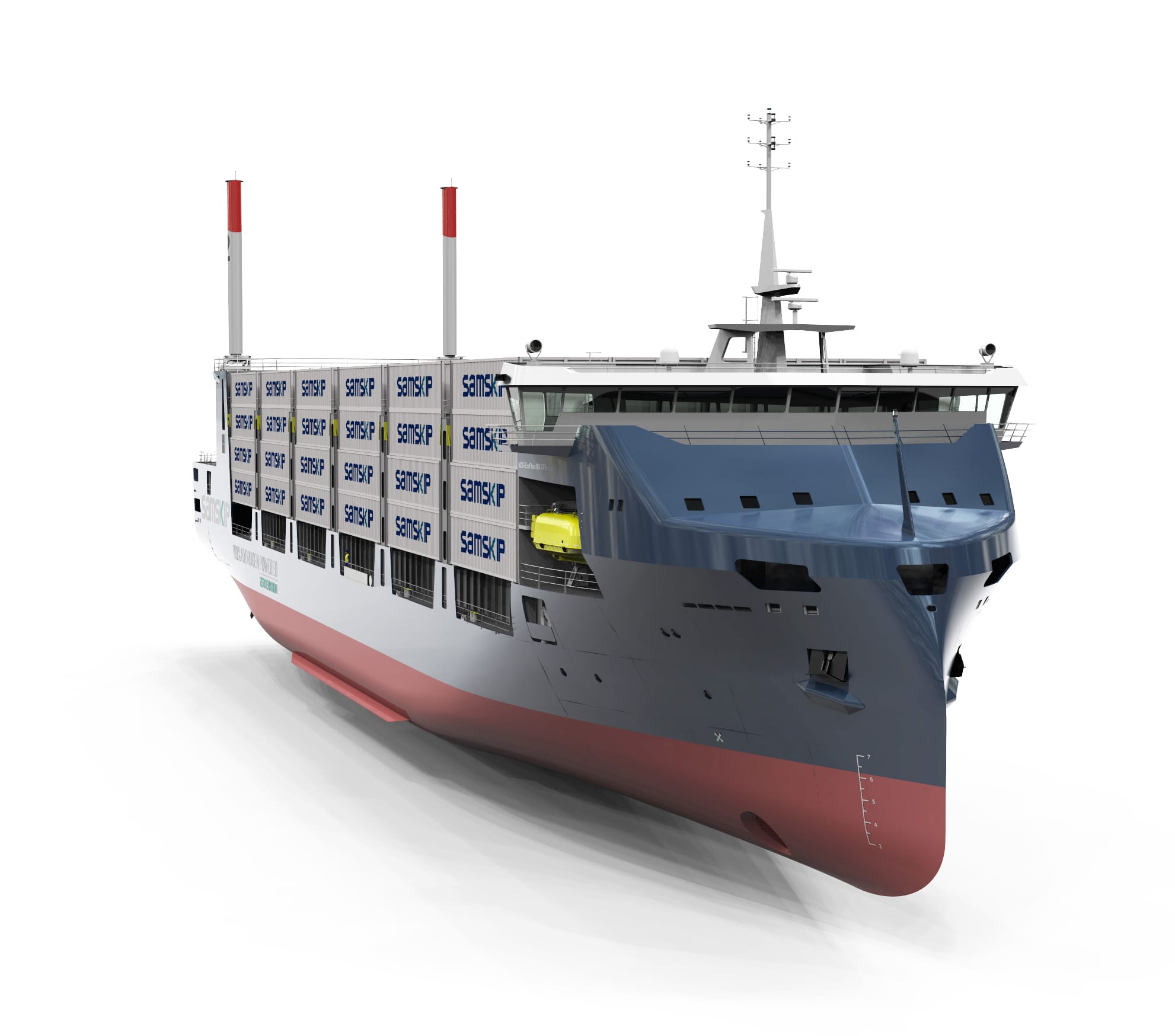
Currently under construction at the highly respected Cochin Shipyard in India, the SeaShuttle will be the world’s first hydrogen-powered short sea container vessel, designed to operate with zero emissions. Built in large modular blocks that are welded together during construction, the vessel is already clearly taking shape.
While the project began with an ambitious climate vision, the SeaShuttle story is becoming increasingly relevant for another reason as well: resilience.
Today, the global shipping industry remains heavily dependent on fossil fuels. When fuel prices spike or geopolitical instability impacts energy markets, the effects are felt immediately throughout supply chains and freight costs. For customers, this creates uncertainty and risk.
The SeaShuttle has been designed differently.
Alongside its hydrogen propulsion system, the vessel will also be capable of operating on biofuels or conventional marine fuel, allowing Samskip to adapt to changing market conditions while maintaining reliable service. This fuel flexibility helps reduce dependency on a single energy source and creates greater operational resilience for both Samskip and its customers.
On arrival in Europe, the vessel will be equipped with advanced hydrogen propulsion technology sourced from leading European suppliers. The SeaShuttle will carry up to 15 tonnes of liquid hydrogen stored at -253°C, keeping the hydrogen compact and energy-dense. That hydrogen is then converted directly into electricity to power the vessel, producing only water and no exhaust emissions during hydrogen operations.
However, for customers, the value goes beyond lower emissions alone.
Samskip’s investment in flexible, duel-fuel vessels directly increases our reliability. More flexibility means less exposure to fuel volatility, more stability in operations, and a logistics partner actively investing in future-proof transport solutions. At the same time, the SeaShuttle supports customers working toward their own sustainability ambitions through measurable and verified reductions in transport emissions.
Laurens Dourleijn, Sustainability Manager at Samskip, explains:
“The shipping industry is still heavily dependent on fossil fuels, and that creates structural risk for supply chains and freight costs. With the SeaShuttle, we are building flexibility into the vessel from day one. That flexibility helps us reduce dependency on a single fuel source while creating more resilience and stability for our customers.”
Samskip remains committed to reaching Net-Zero emissions by 2040 and has already made binding commitments for minimum green hydrogen usage on the SeaShuttle project, starting with at least 20% in year one and scaling toward 100% by year five as the market develops.
From Q2 2027, customers will be able to ship cargo between Rotterdam and Oslo aboard a vessel operating on green hydrogen with an extremely low carbon footprint. Capacity will be limited and allocated on a first-come, first-served basis.
And this is only the beginning.
A second SeaShuttle vessel is already in planning, with additional projects continuing to explore how lower-carbon, resilient freight solutions can become the reliable and accessible choice for the future of logistics.
To follow the latest updates on the SeaShuttle project, visit our dedicated project page on the Samskip website.
Samskip. Every journey counts.

